Holland
Les liaisons dangereusesHolland enters the narrative as the reported destination of the Marquise de Merteuil after a decisive legal defeat. It is not shown as a place she reaches; instead, it marks the uncertain direction of her escape from the consequences of the lawsuit, linking the location to the novel’s closing account of her disgrace and departure.
Holland as a Reported Destination
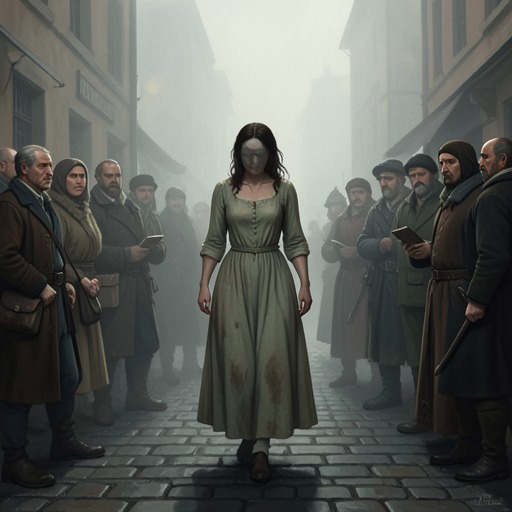
The account says that, after learning the verdict, the Marquise de Merteuil made arrangements and left alone at night by post, while still ill. Her servants reportedly refused to accompany her. The report places her departure in motion but does not confirm where she ultimately arrived: Holland is only the route people believed she had taken. The distinction matters: the narrative gives the place a role in rumor and expectation, not as a directly witnessed scene.
The Flight from Financial Ruin
The journey follows the Marquise’s unanimous loss in court. The judgment awarded the minor heirs costs, damages, and restitution of the income at issue; the remaining portion of her fortune was swallowed by expenses and more. She left with her diamonds, silver, jewelry, and whatever else she could take, while leaving nearly 50,000 livres in debts. The report calls the result a genuine bankruptcy. Holland thus becomes associated with a flight undertaken after legal and financial security had collapsed, rather than with a settled residence or a new life described in the text.
Narrative Significance and Limits
Holland is named at the moment when the Marquise disappears from the account. Her departure is presented through reports about what she did and what others believed, not through her own narration or a scene on the road. That distance keeps the destination uncertain while making the consequences concrete: a lost lawsuit, depleted resources, debts, and a solitary nighttime departure. The location functions as the final geographical trace of her escape, not as an independently developed setting.